

Hey there! As a bearing heater supplier, I've seen firsthand how important it is to understand the influence of bearing material on the heating performance of a bearing heater. In this blog post, I'm gonna break down the key factors and share some insights that can help you make better decisions when it comes to choosing the right bearing heater for your needs.
Let's start with the basics. Bearing heaters are used to heat bearings to a specific temperature so that they can be easily mounted onto shafts or removed from them. The heating process is crucial because it expands the bearing, making it easier to fit onto the shaft without causing any damage. But not all bearing materials are created equal, and different materials can have a significant impact on how well a bearing heater works.
One of the most common bearing materials is steel. Steel bearings are widely used because they're strong, durable, and can withstand high loads. When it comes to heating steel bearings, most bearing heaters work pretty well. Steel has good thermal conductivity, which means it can absorb and transfer heat quickly. This allows the bearing to reach the desired temperature in a relatively short amount of time.

However, not all steel is the same. There are different grades of steel, and each grade has its own unique properties. For example, some high - carbon steels may require a bit more heat to expand properly compared to low - carbon steels. This is because high - carbon steels have a higher carbon content, which can make them a bit more resistant to heat. So, if you're dealing with high - carbon steel bearings, you might need a more powerful bearing heater to ensure that they reach the right temperature.
Another popular bearing material is ceramic. Ceramic bearings are known for their high strength, low friction, and excellent corrosion resistance. They're often used in high - performance applications where reliability and efficiency are key. But when it comes to heating ceramic bearings, things get a bit tricky.
Ceramic has a much lower thermal conductivity than steel. This means that it takes longer for ceramic bearings to absorb and transfer heat. As a result, you need a bearing heater that can provide a more gentle and consistent heat source. If you try to heat a ceramic bearing too quickly, it can crack or break due to thermal stress. So, if you're working with ceramic bearings, you'll want to look for a bearing heater that has precise temperature control and a slow - heating feature.
Bronze is also a common bearing material, especially in applications where self - lubrication is important. Bronze bearings have good wear resistance and can operate in high - temperature environments. When heating bronze bearings, you need to be careful not to overheat them. Bronze has a relatively low melting point compared to steel, and if you heat it too much, it can start to deform or even melt. A bearing heater with a temperature limiter is a great option for bronze bearings to prevent any damage.
Now, let's talk about how the bearing material affects the efficiency of the bearing heater. A good bearing heater should be able to heat the bearing evenly and quickly. If the bearing material has poor thermal conductivity, like ceramic, the heater will have to work harder and for a longer time to reach the desired temperature. This can lead to increased energy consumption and longer heating cycles.
On the other hand, if the bearing material has good thermal conductivity, like steel, the heater can operate more efficiently. It can heat the bearing faster, use less energy, and have a shorter overall heating time. This not only saves you money on energy costs but also increases your productivity.
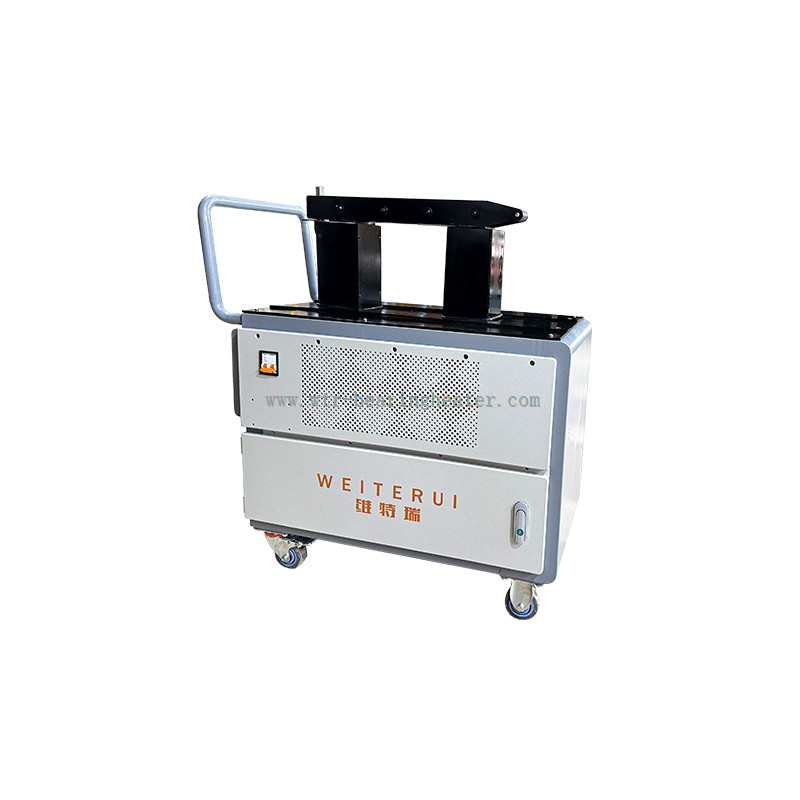
As a bearing heater supplier, I know that choosing the right bearing heater for your specific bearing material is crucial. That's why we offer a wide range of bearing heaters to meet different needs. For example, our Chinese - made High Performance Mobile Induction Bearing Heater is a great option for steel bearings. It's powerful, portable, and can heat bearings quickly and evenly.
If you're in the steel industry, our Induction Heater for Steel Industry is specifically designed to handle the high - volume heating requirements of steel bearings. It's efficient, reliable, and can help you save time and money in your production process.
And for those who need a movable option, our Movable Induction Heater is perfect. It allows you to move the heater around your workshop easily, so you can heat bearings wherever they are needed.
In conclusion, the bearing material has a significant influence on the heating performance of a bearing heater. Different materials have different thermal properties, which means they require different heating methods and equipment. By understanding these differences, you can choose the right bearing heater for your needs and ensure that your bearings are heated safely and efficiently.
If you're interested in learning more about our bearing heaters or have any questions about which heater is right for your bearing material, don't hesitate to reach out. We're here to help you make the best decision for your business. Whether you're a small - scale workshop or a large - scale industrial operation, we have the right bearing heater for you. Let's start a conversation and see how we can work together to improve your bearing heating process.
References
- "Bearing Handbook" by SKF
- "Materials Science and Engineering: An Introduction" by William D. Callister Jr. and David G. Rethwisch